Wild Harvest Initiative®
The Wild Harvest Initiative®:
Connecting Food, Conservation, and Culture
In a world where food often comes pre-packaged and sanitised from its origins, harvesting wild food has become more than a tradition—it is a lifeline to nature, sustainability, and the ecosystems that support life. For hunters, anglers, and their communities, wild food represents nourishment, a tangible connection to the land, and a reminder of the delicate balance humans depend on.
The Wild Harvest Initiative®, founded and led by Conservation Visions Inc., is the first major effort to quantify for any temperate region what wild harvesting truly provides: food security, ecological benefits, and economic value. Working across Canada and the United States, the programme asks a fundamental question:
What would we lose if hunting and fishing disappeared tomorrow?
Answering this question means exploring much more than numbers. It means asking how many kilograms of locally sourced, wild protein come from a wild-harvested deer, elk, wild boar or antelope?
How many kilograms come from a limit of mallards, a wild goose, or a brace of quail or partridge? How many healthy meals can be provided from a day spent fishing? How much of this food is shared with friends and family, or donated to those in need?
How much would it cost to replace this wild food through agriculture and aquaculture? How much wildlife habitat would be lost and how much fuel, irrigation water, fertiliser, and pesticides would be required to replace these wild-harvested foods?
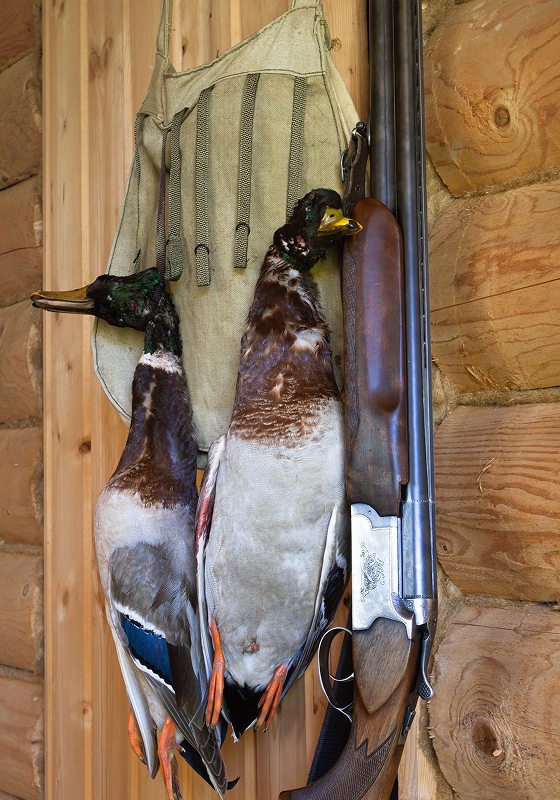
The answer must embrace more than statistics. It also lies in the shared venison meals that nourish families, food banks stocked by hunters with wild game, and in the landscapes teeming with wildlife and rivers that continue to provide fish for countless communities because of conservation efforts driven by wild harvesters.
Wild food doesn’t just sustain hunters—it travels beyond households to neighbours, schools, and charitable organisations, highlighting a culture of sharing that underscores the deep social value of these harvests.
Each year, nearly 45 million people in Canada and
the United States legally harvest wild food. No serious effort, however, has been made to assess its economic value or contribution to food security. Even though wildlife harvests in Canada and the United States represent one of the most sustainable, healthy, and environmentally friendly food procurement systems, empirical evidence of their actual economic, social, or ecological value has, until now, been unavailable.
Conservation Visions’ Wild Harvest Initiative® is addressing this gap, providing – for the first time – a comprehensive assessment of traditional wildlife and fish harvests in Canada and the United States to establish wildlife’s true role in community food security. And it is doing so at a time when movements to embrace locally sourced, healthy foods and nature’s benefits are growing worldwide.
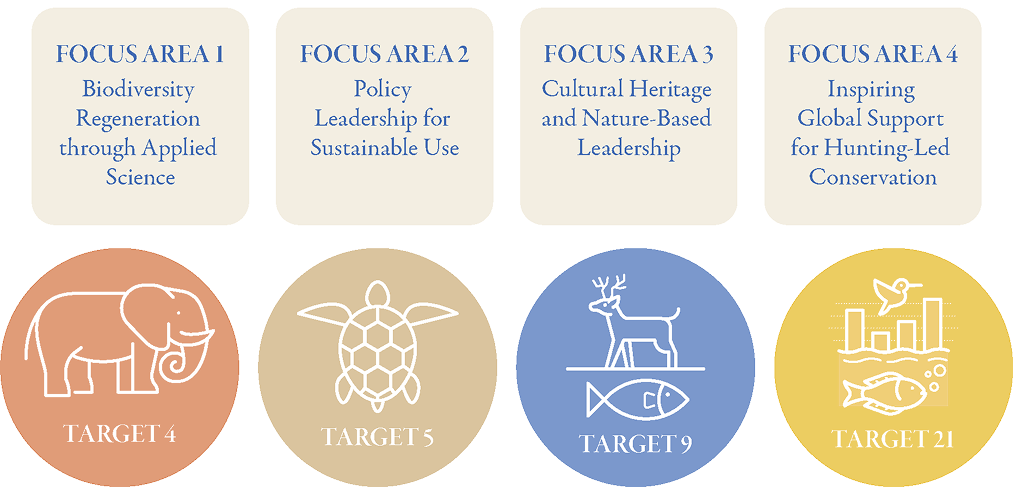
Strategic Alignment:
Focus Areas and GBF Targets
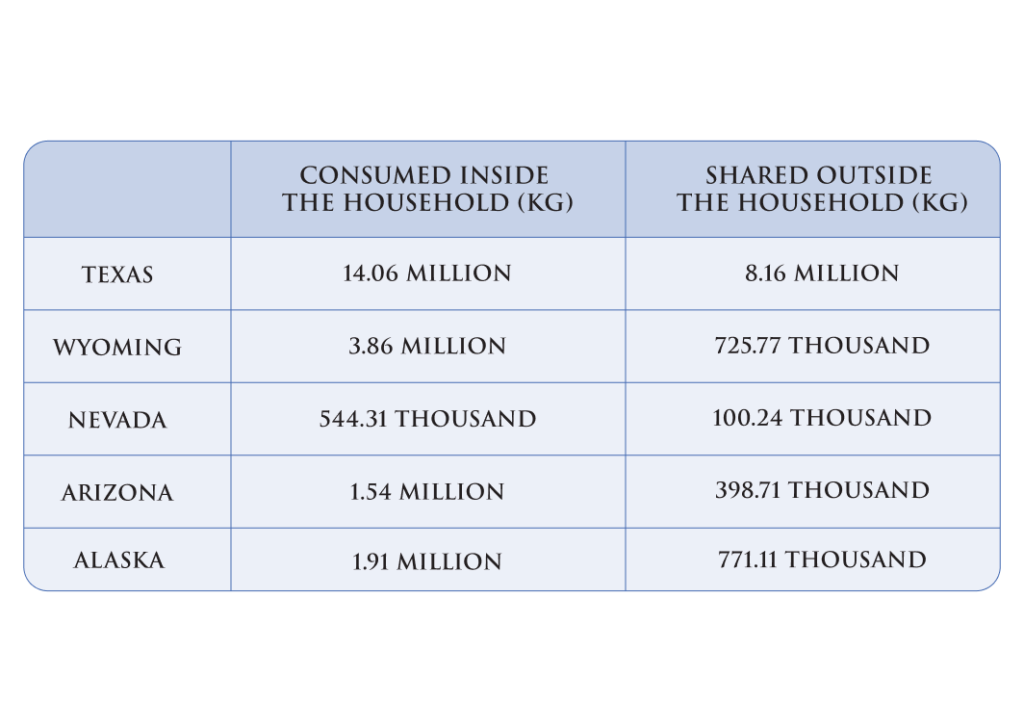
Mass of Wild Meat:
How much Wild Meat is Shared?
Approximately one third of all wild meat harvested by hunters is shared with millions of people, many of whom are non-hunters.
From North America to Europe
The CIC has joined forces with the Wild Harvest Initiative® to bring this groundbreaking programme
to Europe. In North America, hunting and angling are the backbone of wildlife management—a system that has successfully restored species, habitats, and ecosystems. By evaluating the kilograms of food harvested, the economic cost of replacing wild protein, and the conservation outcomes of sustainable use, the Initiative reframes the conversation around hunting and fishing.
This partnership represents more than knowledge sharing; it bridges continents. In Europe, where
traditional hunting practices have existed for centuries, the Wild Harvest Initiative® offers a new way of articulating the benefits of sustainable harvests—not just to hunters, but to society as a whole. It connects wild food to human well-being, health, and the conservation of lands and waters.
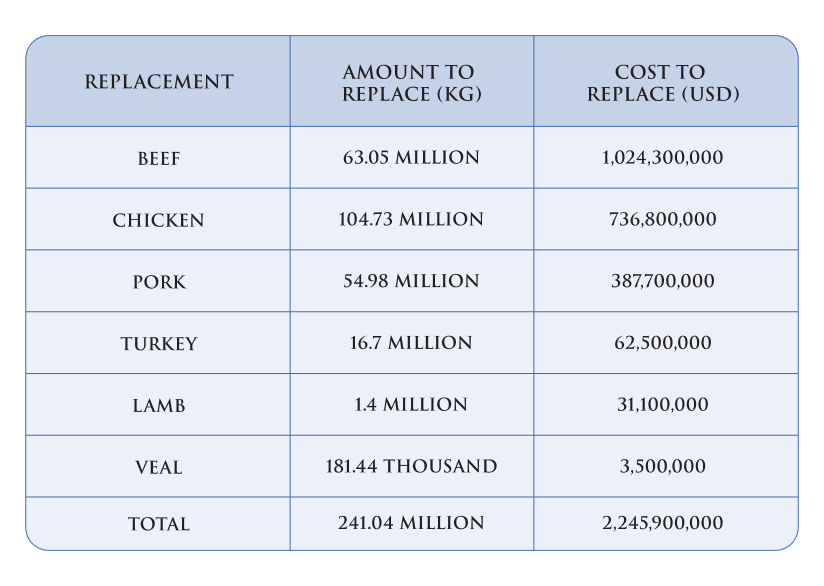
How Much Would it Cost Anually to Replace Wild
Harvested Meat in the United States?
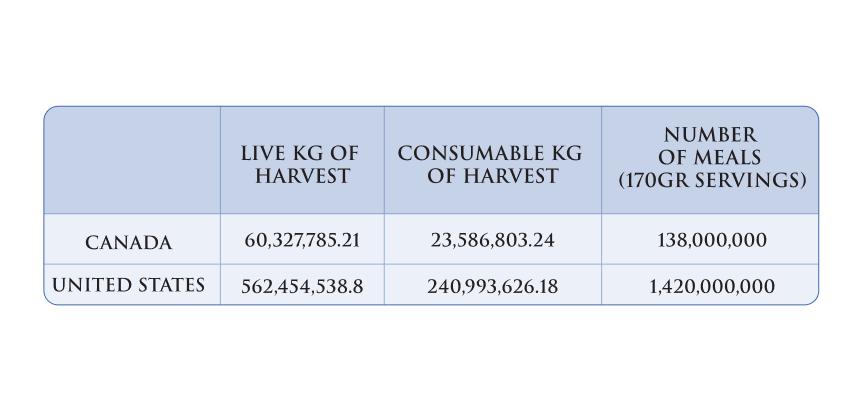
Wild Meat Harvested in the United States and Canada
(Annual Average, 2014-2019)
A Global Vision
Understanding the importance of wild meat and fish to food security, livelihoods, and economies is a global
concern, as recognised by leading institutions such as the Convention on Biological Diversity (CBD), the Food and Agriculture Organization (FAO), and the International Union for Conservation of Nature (IUCN). However,
studies of wildlife harvests have historically focused disproportionately on tropical regions.
The Wild Harvest Initiative® shifts this perspective, demonstrating the immense value of temperate region
harvests and aligning its findings with global efforts to achieve sustainability and protect biodiversity.
Through the CIC’s involvement, these insights extend beyond North America, influencing public perception, conservation policy, and sustainable management practices worldwide.
Wild food is more than sustenance; it is a story of connection. It links people to landscapes, wildlife to livelihoods, and harvests to stewardship. Together, the CIC and Conservation Visions are working to ensure that this story continues to inspire future generations and influence global conservation efforts.