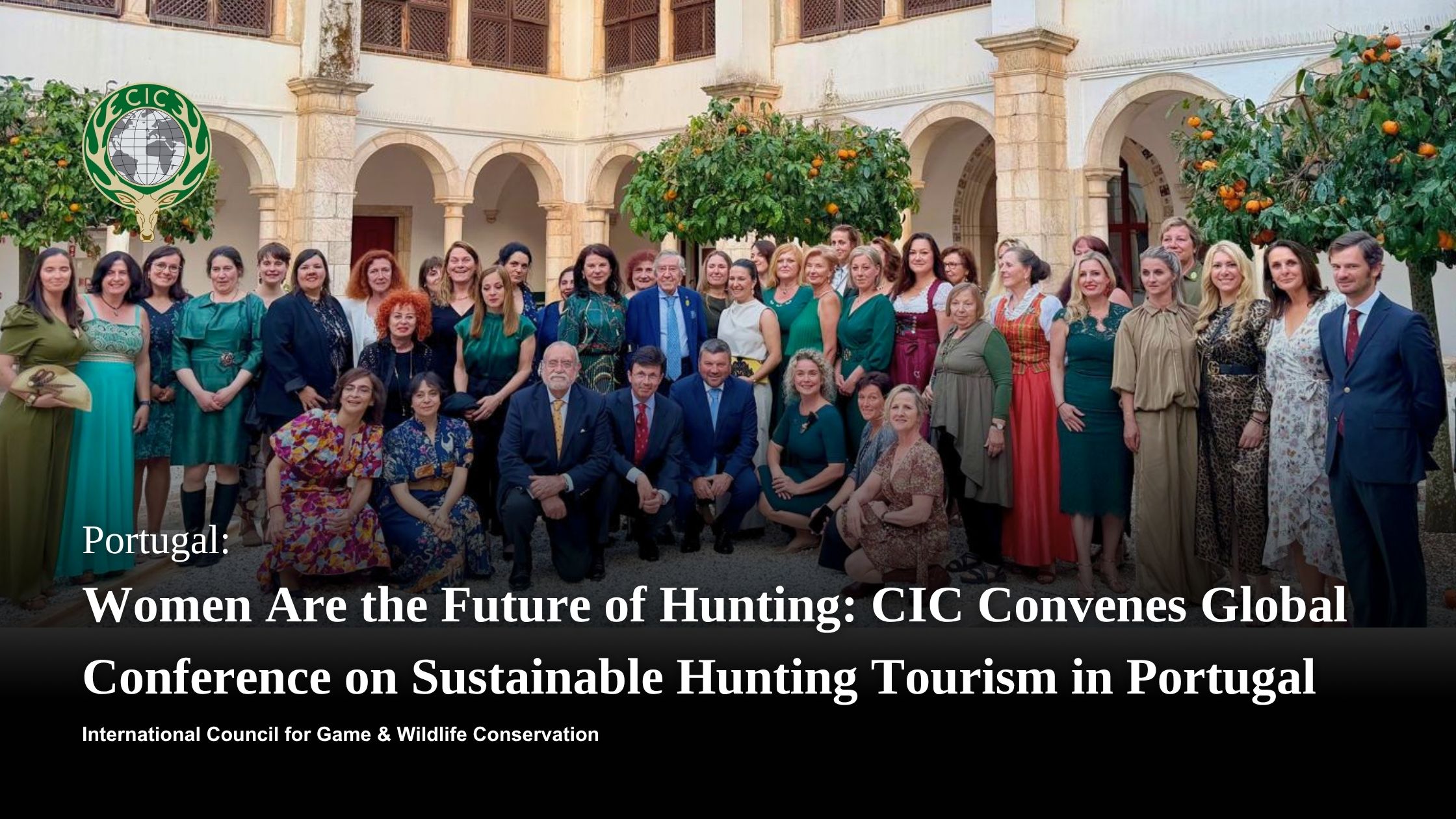
Women Are the Future of Hunting: CIC Convenes Global Conference on Sustainable Hunting Tourism in Portugal
The eighth Women and Sustainable Hunting International Conference brings together researchers, conservation professionals, and policymakers from four continents in the historic Alentejo
VILA VIÇOSA, PORTUGAL — Women now represent the fastest-growing segment of new hunters in North America, and their participation is rising steadily across Europe and Africa. Research presented at this week’s Women and Sustainable Hunting (WaSH) International Conference in Portugal confirms what the CIC has long argued: that this shift is not a footnote to the future of hunting — it is the future of hunting.
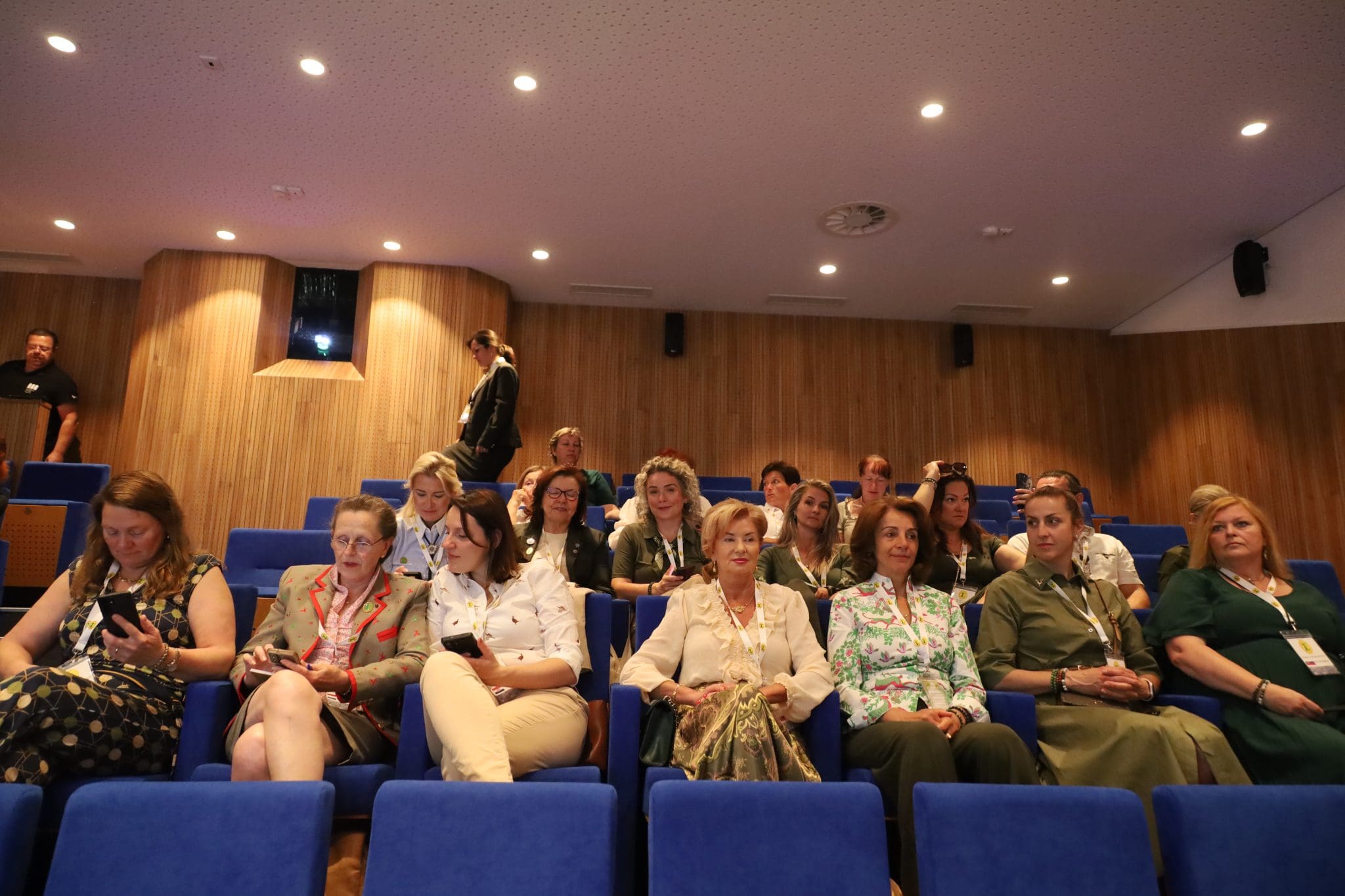
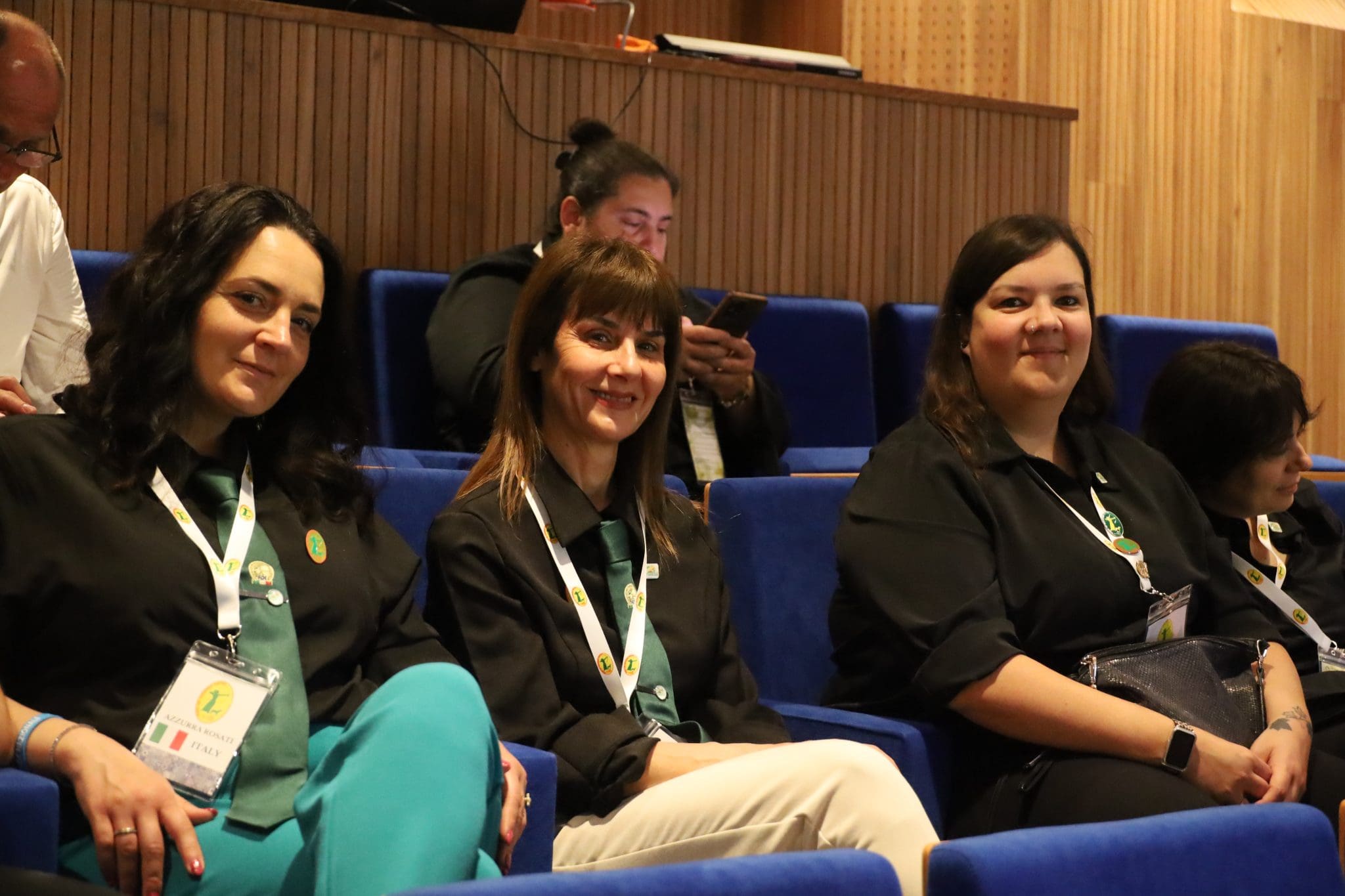
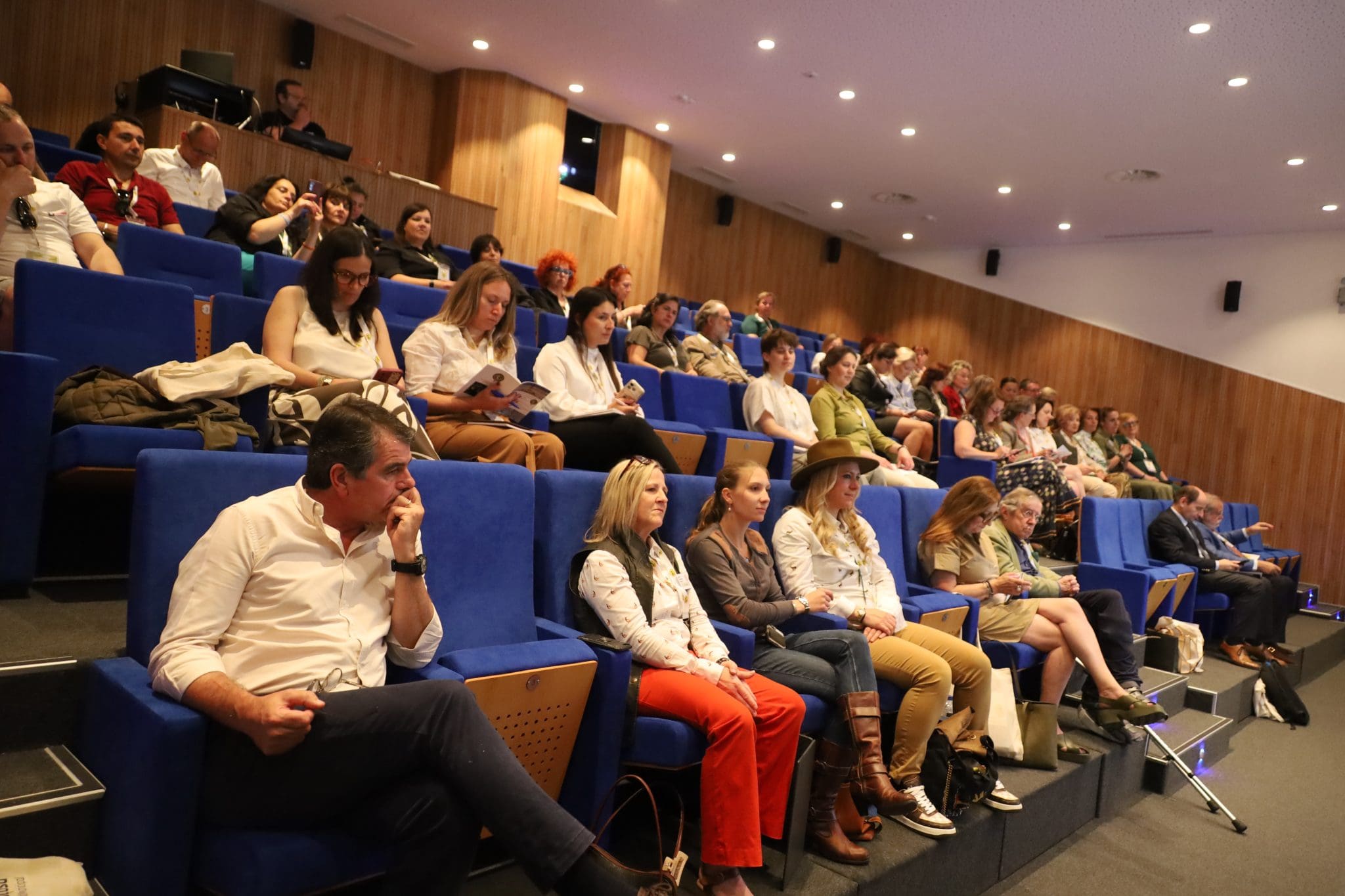
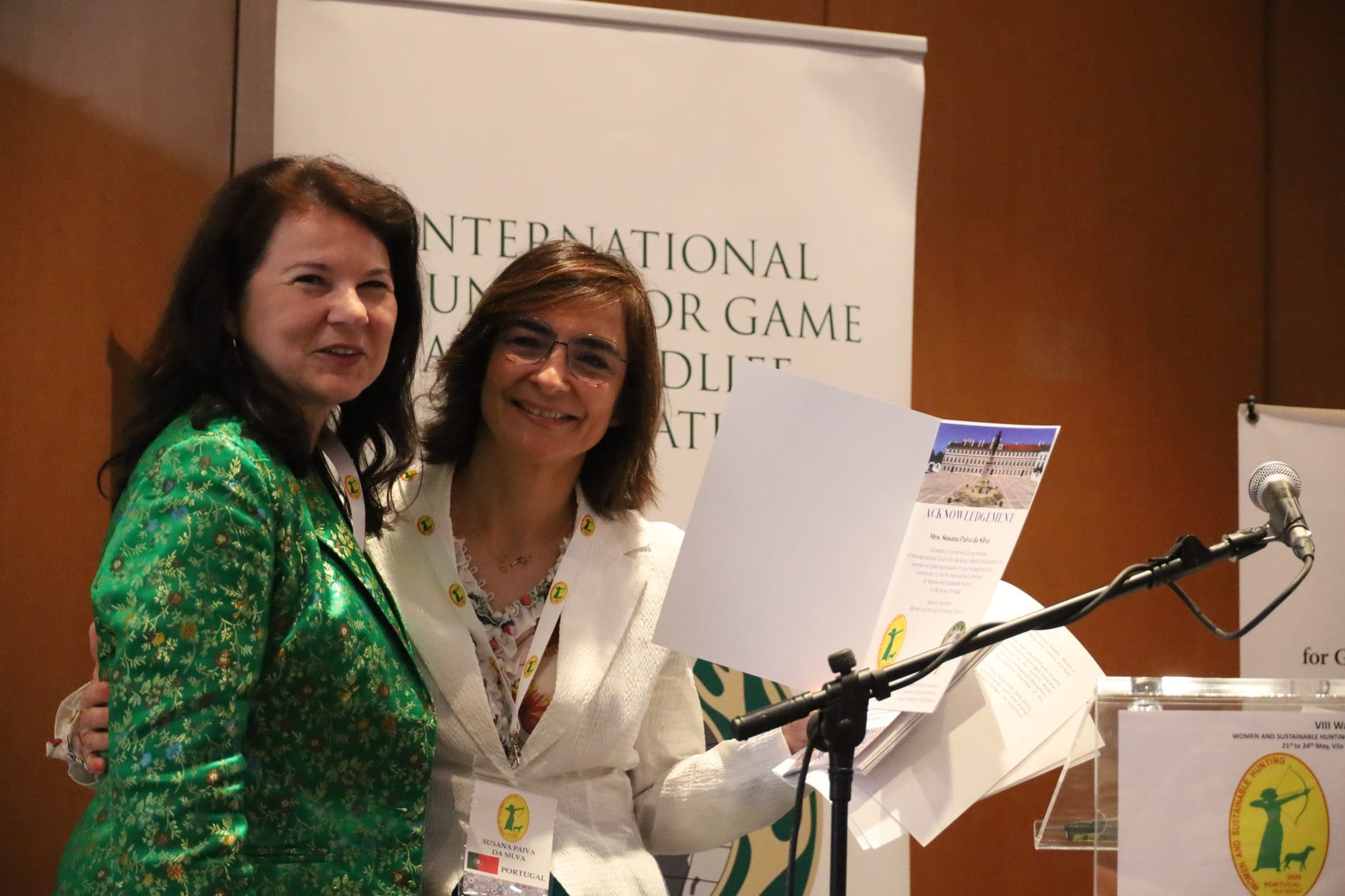
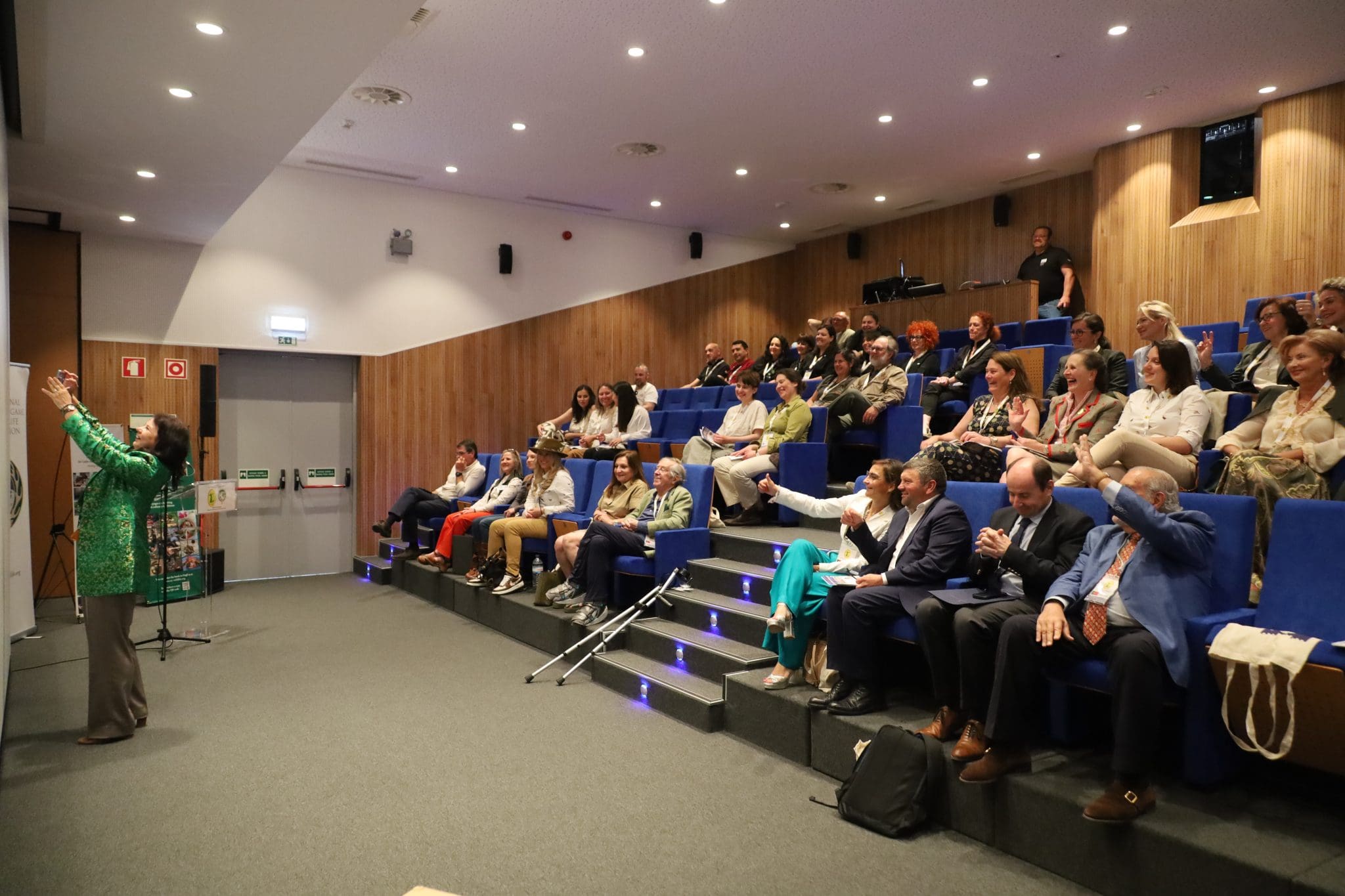
The eighth edition of WaSH, held on 22 May 2026 in the historic town of Vila Viçosa under the theme Nature’s Guardians: Women & the Future of Hunting Tourism, brought together women hunters, researchers, and conservation professionals from more than a dozen countries across Europe, the Americas, and Africa. The conference was organised by the CIC Working Group Artemis and the Portuguese National Delegation of the CIC – International Council for Game and Wildlife Conservation.
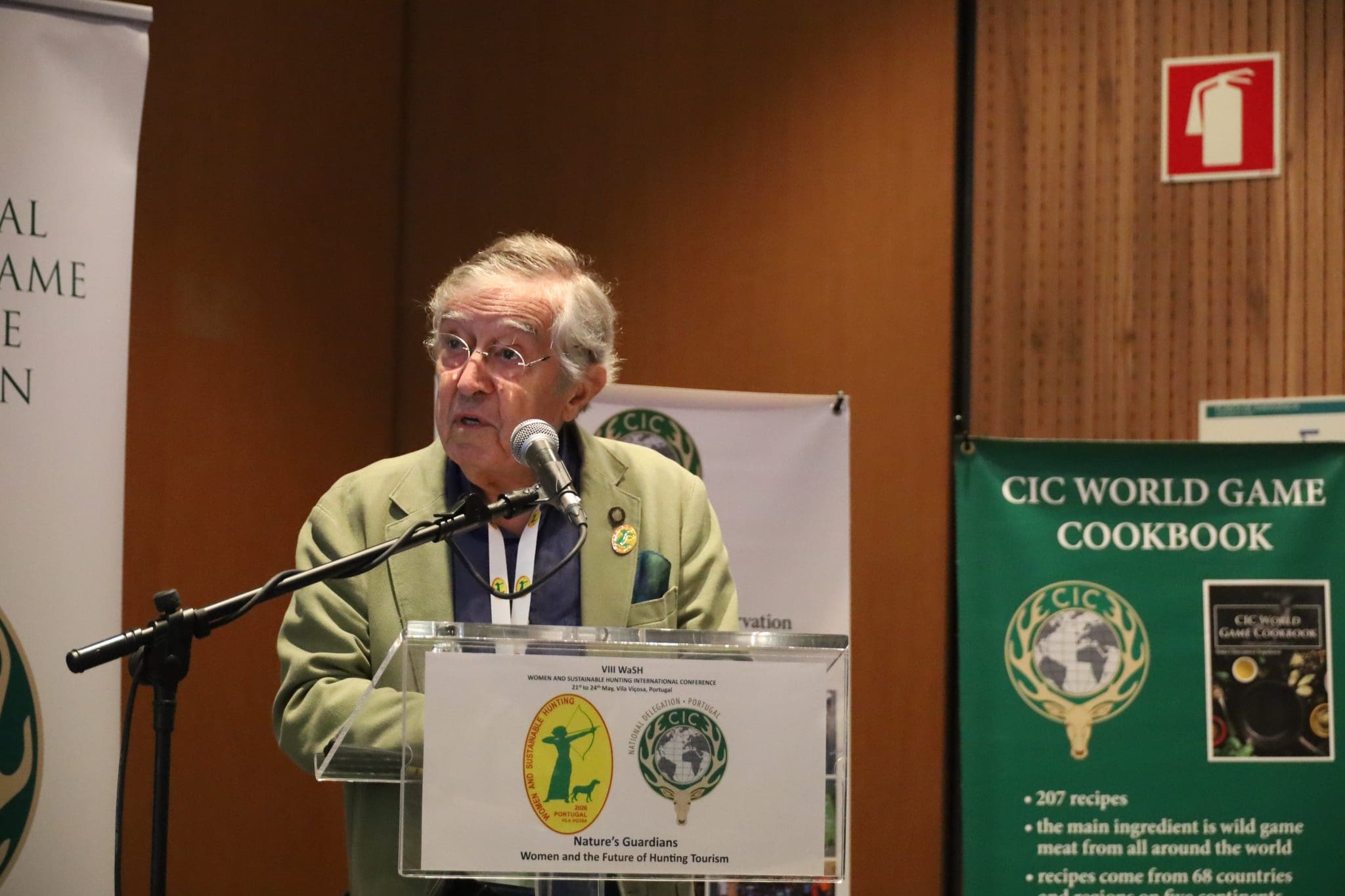
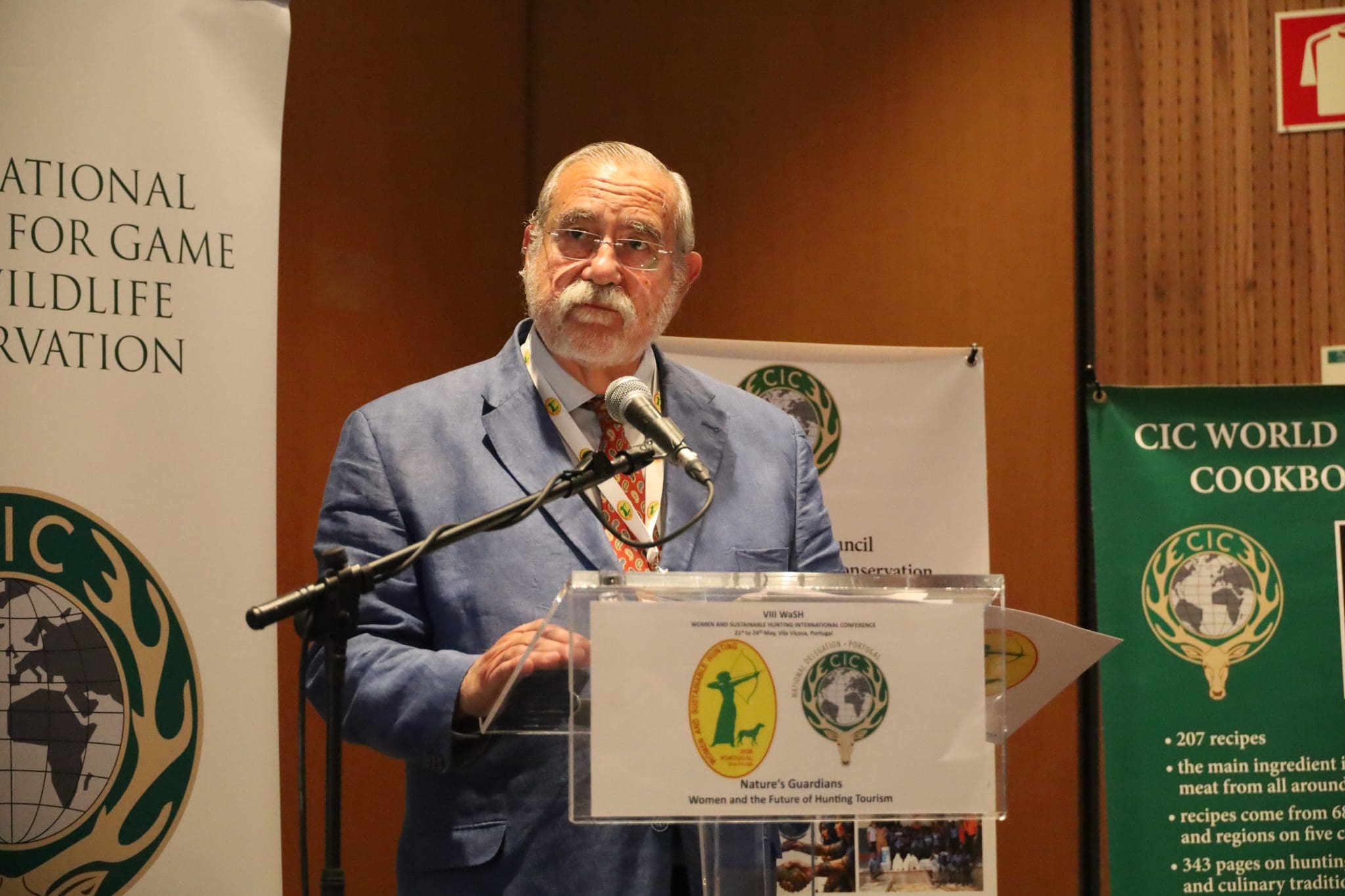
“You are not a guest in the world of hunting. You are its future.” Luis de la Peña, President, CIC
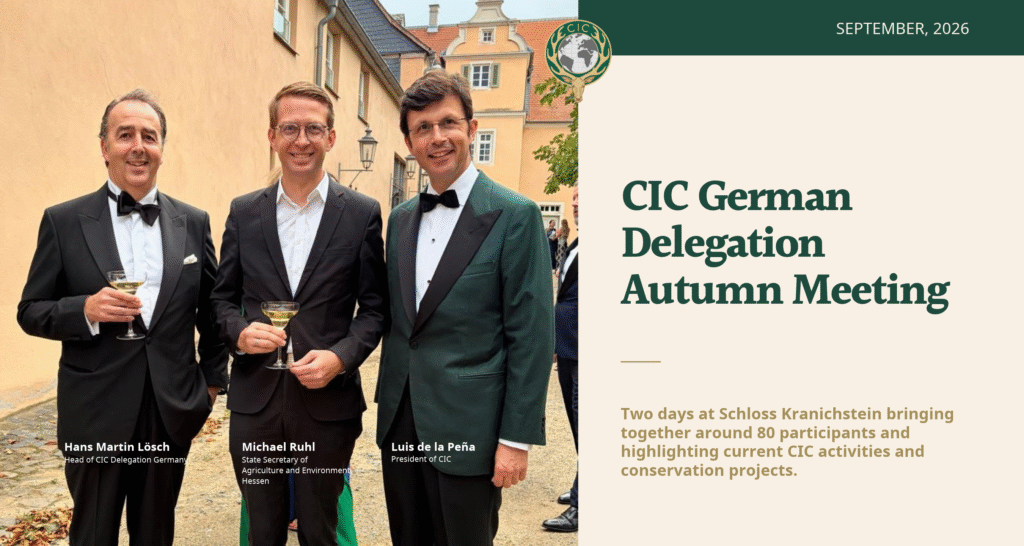
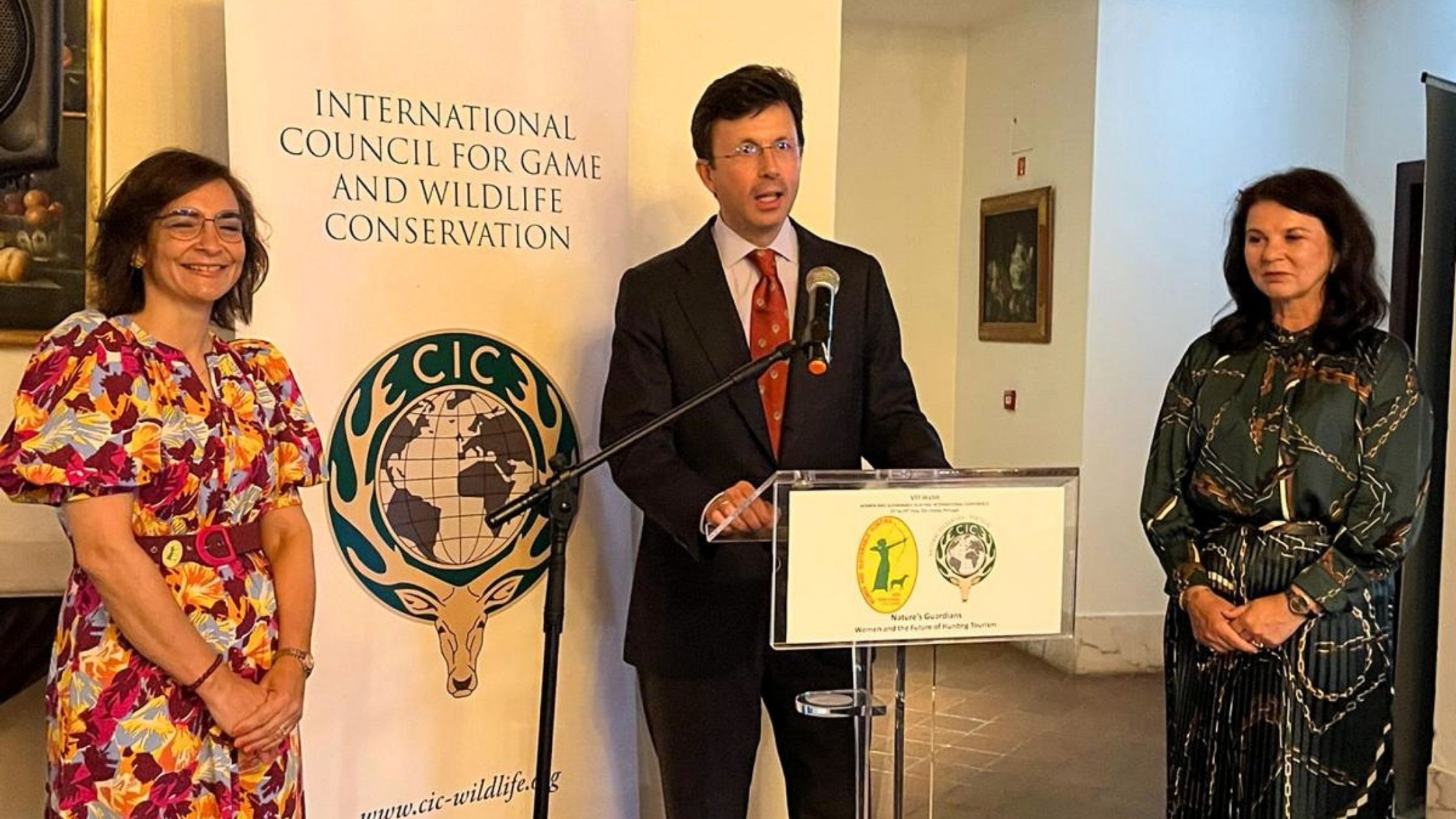
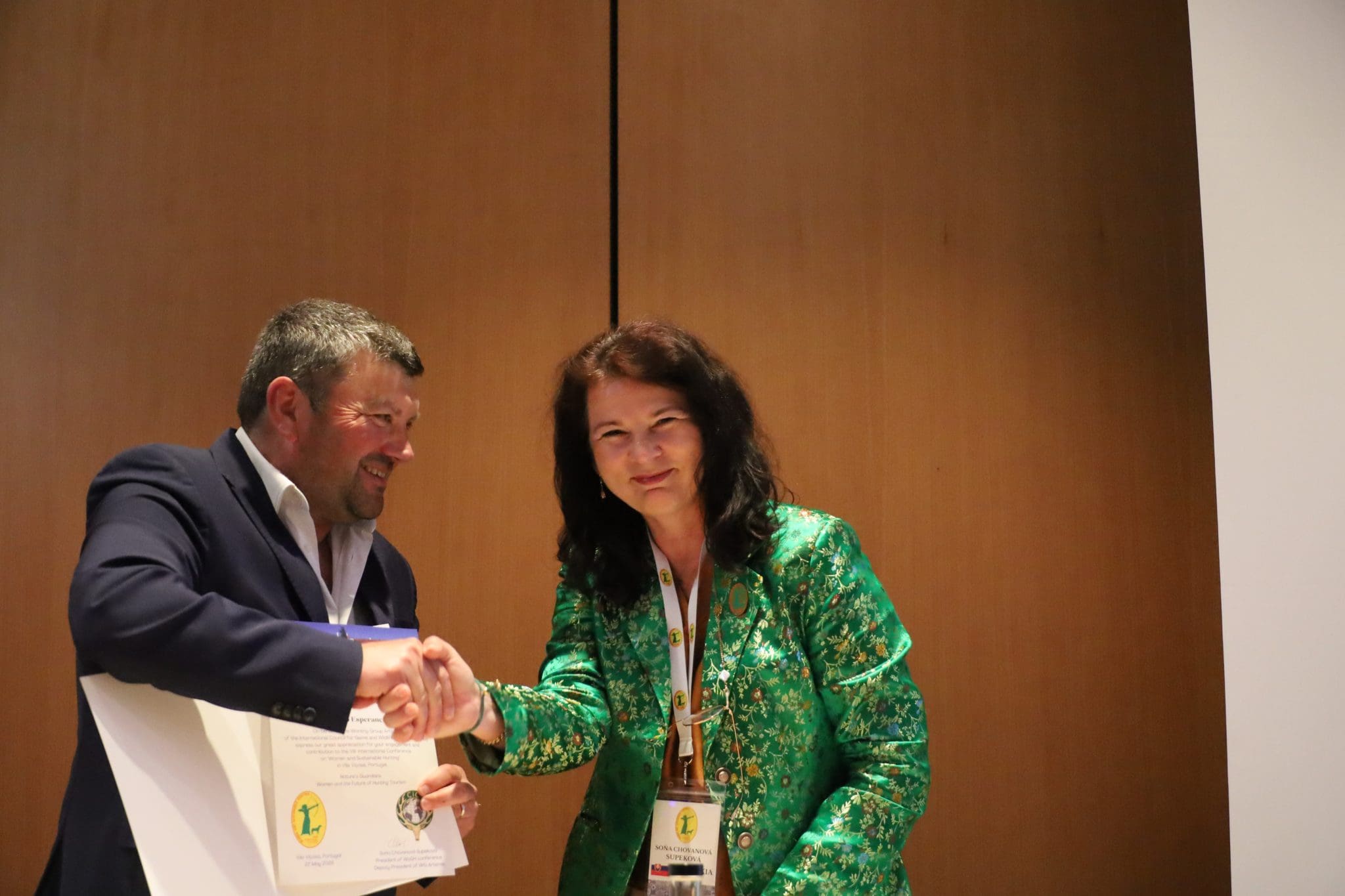
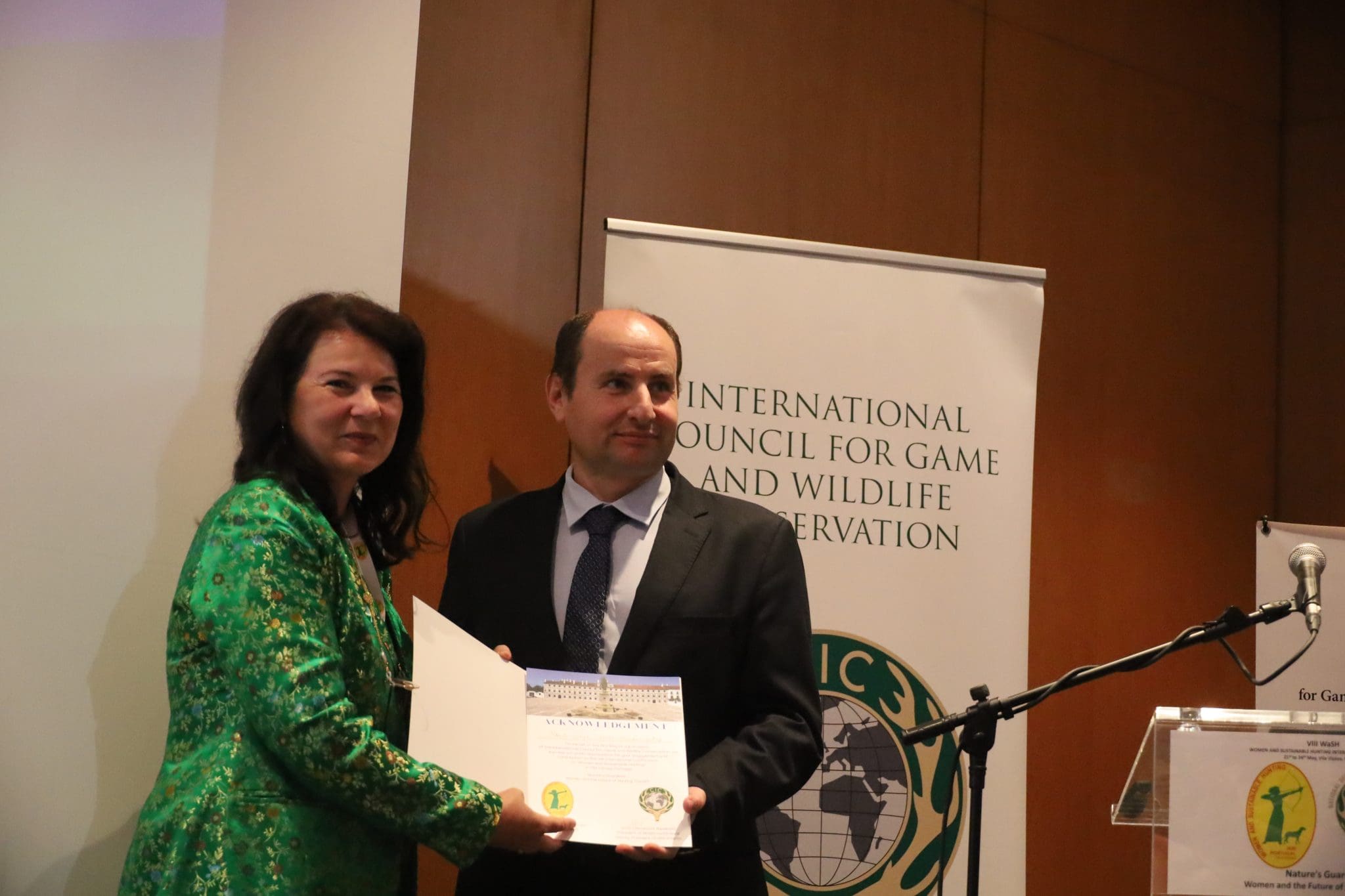
Luis de la Peña, President of the CIC, attended the conference Gala Dinner and addressed participants directly — a signal of the strategic importance the organisation attaches to this agenda. In his remarks, he paid particular tribute to Prof. Soňa Chovanová Supeková, founder of WaSH and Deputy President of the CIC Working Group Artemis, whose personal commitment over fourteen years has built the conference into a genuinely global community spanning continents, languages, and hunting traditions.
Sol Andrada-Vanderwilde Sanz-Britz, Deputy Director General of the CIC, also addressed participants on women’s growing leadership role within the global sustainable use community.
What the Evidence Shows
The scientific programme placed women’s participation in hunting tourism on a firm empirical footing.
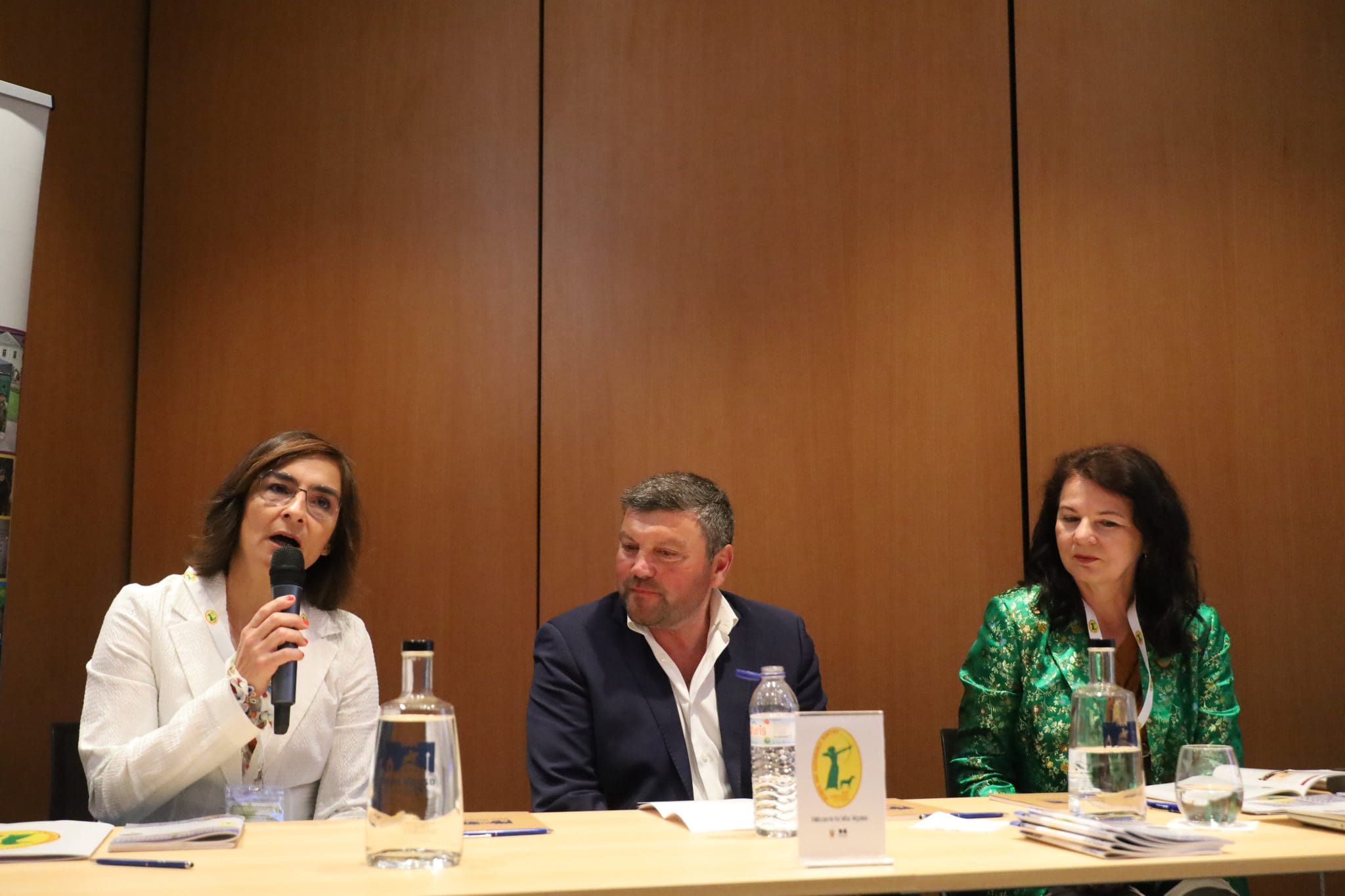
Research presented by Moira Tidball of Cornell Cooperative Extension on a purpose-designed women’s safari hunt in Mozambique found that when experiences are structured around women’s values — safety, camaraderie, conservation education, and harvest-to-table engagement — the barriers that have historically limited female participation begin to dissolve. Crucially, the findings have direct implications for the funding of African wildlife economies: women represent a largely untapped market whose preferences align naturally with conservation-centred programming.
Paula Laukkanen of the Finnish Wildlife Agency presented survey data showing that female hunters place measurably greater emphasis than men on responsibility, ethics, and sustainability when choosing hunting tourism experiences. This is not merely a social observation — it is a product development and marketing signal for an industry seeking to broaden its demographic base and its social legitimacy.
Mark and Lisa Ivy of Ivy Safaris, South Africa, drew on 27 years of professional hunting experience to demonstrate how women are reshaping southern Africa’s hunting industry — moving it from a male-dominated field towards a community-centred stewardship model in which ethical practice and generational education are as central as the hunt itself.
Across all presentations, a consistent theme emerged: women do not simply participate in hunting tourism — they reframe it, humanise it, and make the case for its conservation value to audiences that the sector has historically struggled to reach.



Host Country and Setting
The 2026 conference marked the first time WaSH has been held in Portugal. Álvaro Moreira, President of the Portuguese CIC Delegation, and Susana Paiva da Silva, President of the Organising Committee, hosted participants in Vila Viçosa — a UNESCO World Heritage candidate in the Alentejo whose historic Tapada Real, the legendary royal hunting grounds of the House of Bragança, offered a fitting backdrop for a conference dedicated to the deep relationship between people, wildlife, and land.
Beatrix Bán, President of the CIC Working Group Artemis, conveyed her congratulations to the organisers and affirmed the growing economic significance of women within the global hunting community.
About the CIC Working Group Artemis
The CIC Working Group Artemis is the international platform for women in hunting and wildlife conservation, established at the 61st CIC General Assembly in Milan in 2014. It organises the annual WaSH conference series, which has been held in Slovakia, the Czech Republic, the Netherlands, Finland, Poland, Hungary, Italy, and Portugal.
About the CIC
The CIC — International Council for Game and Wildlife Conservation — is a global, not-for-profit organisation founded in 1930 and dedicated to biodiversity conservation through the responsible and sustainable use of wildlife. It operates in over 80 countries, uniting 30 state members, 97 NGO partners, and a membership of over 2,000 individuals and organisations. The CIC holds its headquarters in Vienna and its Administrative Office in Budapest, where it has been granted full diplomatic status. It is recognised as an International Inter-Governmental Observer Organisation to the United Nations.
Media Contact:
Tristan Breijer MBA FRGS FRSA MCIJ
Director of Communications and Public Affairs
CIC – International Council for Game and Wildlife Conservation
Email: tristan.breijer@cic-wildlife.org
Mobile: +44 781 408 7423
Website: www.cic-wildlife.org